The Reality of Small‑scale Produce Farming

Published on 4 July 2026 at 09:18

Small produce farming isn’t the same thing as having a backyard garden, and it’s definitely not the same as reselling produce. The scale, the cost, the time, and the energy are completely different — and most people never get to see that side of it.

I’m sharing a few pictures of seed receipts today. Not for sympathy, not for attention, but to help folks understand what goes into keeping a small farm running. These receipts are just from online orders in June — they don’t include the local seed purchases, the new raised bed frames, or the bagged dirt we’ve had to buy over the last couple of weeks. And they certainly don’t include the winter seed investment, which is always the biggest expense of the year. Neither do they show the cost of equipment or the upkeep it takes to keep all of this moving.


When you’re running a small produce farm, you’re constantly replanting, filling gaps, planning for fall crops, and staying ahead of weather, pests, and timing. Seeds aren’t a once‑a‑year purchase — they’re a constant part of the job.

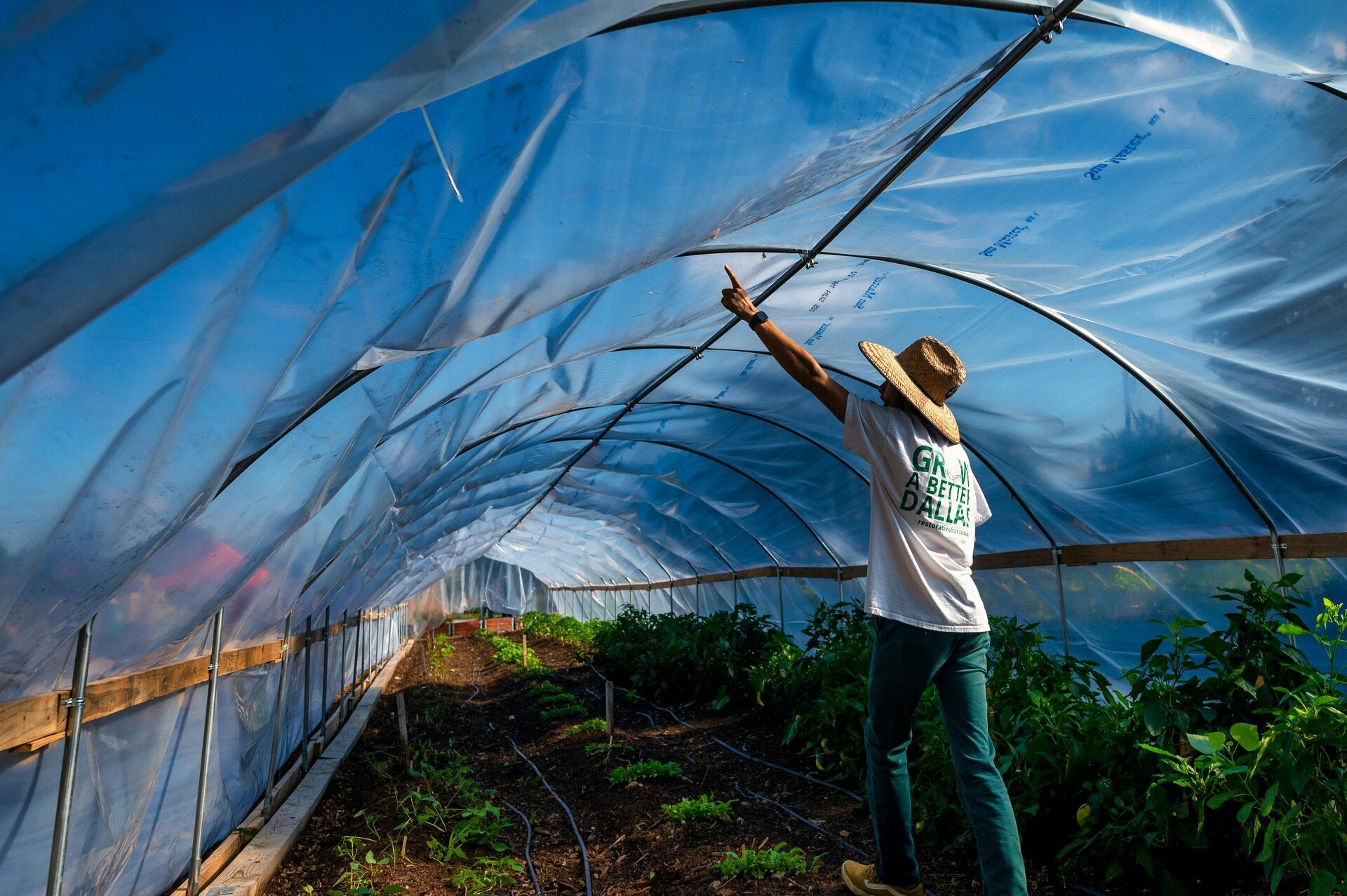
Here at Dark Water Ranch, we’re growing in nine hoop houses, each about 15×30 feet, and we’re adding more. On top of that, we grow in open areas with many different crops, plus replanting whenever weather or pests take out a row. It’s a lot of ground to cover, literally and financially.

There is so much more to running a small farm operation than simply growing a backyard garden.

Small farms put in more money, more hours, and more physical work than most people realize — and at the end of the day, they often make less profit than resellers. That’s the truth of it. You do it because you love it, because you care about the food you grow, and because you want your community to have something real.

It’s not a big‑profit business. It’s a passion. And every seed packet, every hoop house, every raised bed, and every bag of soil is part of that story.