🌾 Why Small Family Farms Still Matter — And Why Corporate Farming Can’t Replace Them
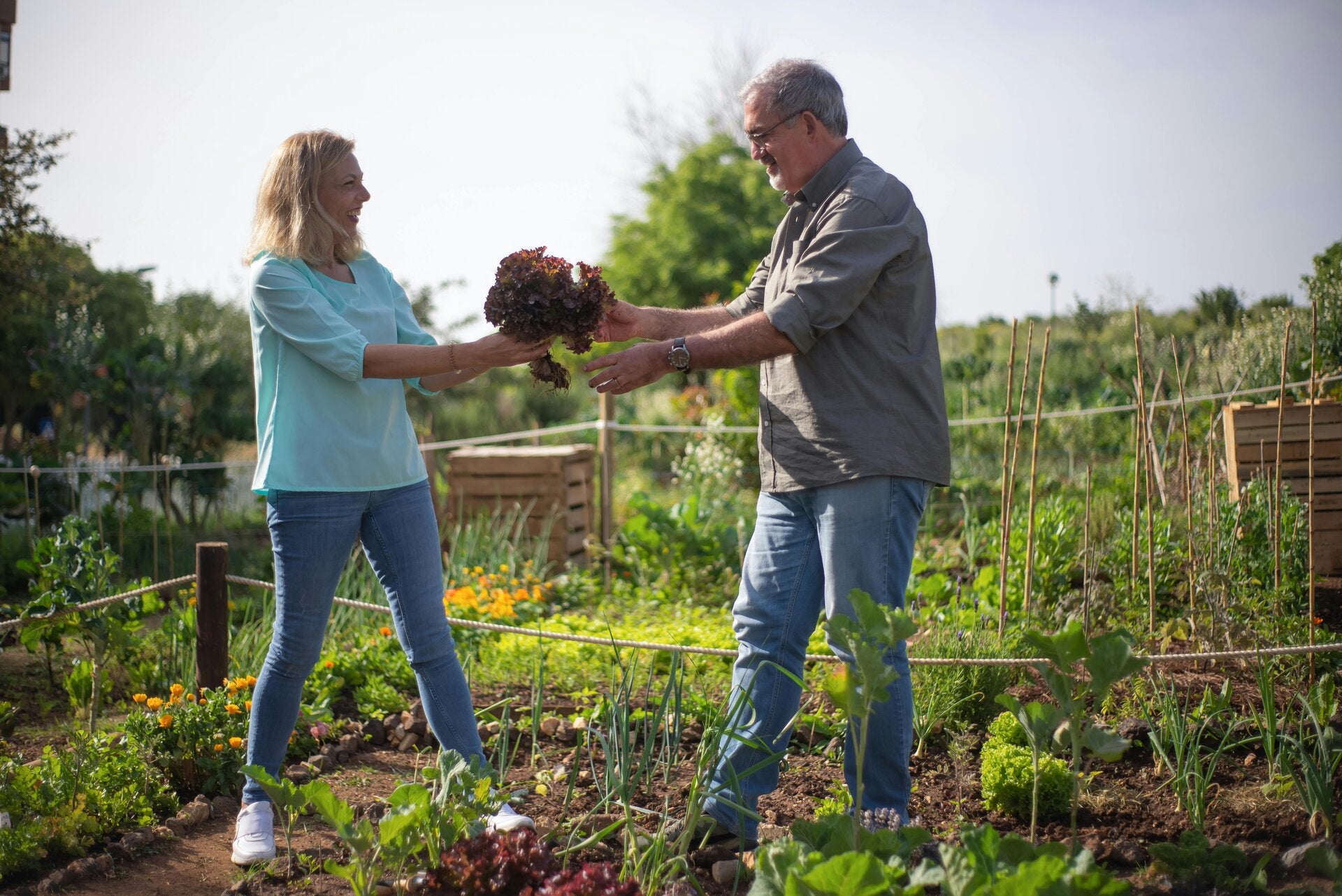
Small family farms aren’t just pieces of land with animals and vegetables. They’re living, breathing parts of a community. They’re the places where kids learn where food comes from, where neighbors still help neighbors, and where the work is done with hands, not spreadsheets.
Corporate farms have their place in feeding the world, but they’ll never replace what small farms bring to everyday life.
🌱 The Heart of a Community
Small farms are woven into the fabric of rural towns. They’re the ones donating extra produce to local families, showing up at farmers markets, and opening their gates for school tours and sunflower walks.
Corporate farms operate at a scale where community isn’t the priority — efficiency is. They’re built to produce volume, not relationships.
On a small farm, you know the people growing your food. You know their kids, their dogs, their goats with too much personality. You know the story behind every tomato, melon, and jar of jelly.
🐐 Stewardship Over Scale
Small farms care for land differently. When you live on the same soil you work, you treat it like a long‑term partner. You rotate crops, protect pollinators, and fix fences not because a policy says so, but because your animals depend on it.
Corporate farms often rely on monocropping, heavy chemical use, and industrial livestock systems. Their decisions are driven by quarterly reports, not the health of the land 20 years from now.
A family farm knows every acre personally — every low spot that floods, every patch where beans thrive, every corner where goats will try to escape.
When you buy from a small farm, you’re buying food with a name, a face, and a story. You’re buying tomatoes grown in Oklahoma heat, peppers picked at sunrise, and melons that survived a week of storms.
Corporate farms ship food thousands of miles. It’s uniform, predictable, and disconnected from the people who eat it.
Small farm food tastes different because it means different. It’s grown with intention, not mass production.
🛠️ Skills That Keep Rural Life Alive
Small farms preserve skills that corporate agriculture doesn’t value:
-
Fence building
-
Livestock care
-
Seed saving
-
Pallet and scrap‑wood building
-
Farmstand marketing
These skills aren’t just chores — they’re culture. They’re what keep rural communities resilient.
🐾 Family Farms Build Trust
People trust small farms because they can see the work. They can walk the rows, pet the goats, ask questions, and watch the process. Transparency is built into the lifestyle.
Corporate farms rely on packaging, branding, and PR to build trust. Small farms rely on honesty and open gates.
🌻 Why It Matters More Than Ever
As the world gets louder, faster, and more industrial, small farms offer something rare: connection.
Connection to land. Connection to food. Connection to people. Connection to a slower, steadier way of living.
Small farms won’t replace corporate agriculture — and they don’t need to. But they do need to survive, because they carry the parts of farming that can’t be scaled: heart, heritage, and humanity.